
Made to Order or Ready Made Furniture: Which Makes Sense
Ready made wins on speed and price. Made to order wins on everything that depends on your room being the size it actually is.
Buy ready made when the piece is standalone, the size is not critical and you need it soon. Have it made when the piece must fit a specific space, when it has to match other joinery, or when the standard sizes leave awkward gaps. In most Pakistani homes the fitted items are worth making and the loose items are worth buying, though there are useful exceptions in both directions.
What does ready made do well?
- Speed. You see it, you buy it, it arrives. Nothing waits on manufacturing.
- You can sit on it first. For seating especially, testing comfort before committing is a real advantage that no drawing replaces.
- Price at the entry level. Volume production is genuinely cheaper for simple standard pieces.
- Lower risk on a small purchase. A side table that turns out wrong is a minor mistake.
- It moves with you. If you may change house, loose furniture goes with you and fitted furniture does not.
What does made to order do well?
It fits. This is the whole argument, and in Pakistani homes it matters more than in houses built to standard dimensions. Walls are rarely square, room sizes vary, and a standard unit in a non standard space leaves gaps at the sides and a void above.
It uses the full space. A fitted wardrobe running wall to wall and floor to ceiling holds far more than a freestanding one of similar cost, because none of the volume is wasted around it.
It matches. When the kitchen, wardrobes, doors and media wall come from one maker in one specification, the house reads as designed. Assembling those from different sources rarely does.
It is built to your requirements. Rail heights set for shalwar kameez and saris, a loft sized for rezai, a desk at your height, a bed built to your mattress. None of these are options on a standard product.
You choose the specification. Board grade, hardware, finish and internal layout are decisions rather than whatever the product came with.
Which pieces should be made?
- Kitchens. Almost always. A kitchen must fit the room exactly and is expensive to get wrong.
- Wardrobes. Almost always, because the internal layout should match what you own and full height storage is worth a great deal.
- Media walls and TV units. Cable routing inside the unit is only possible when it is made, not bought.
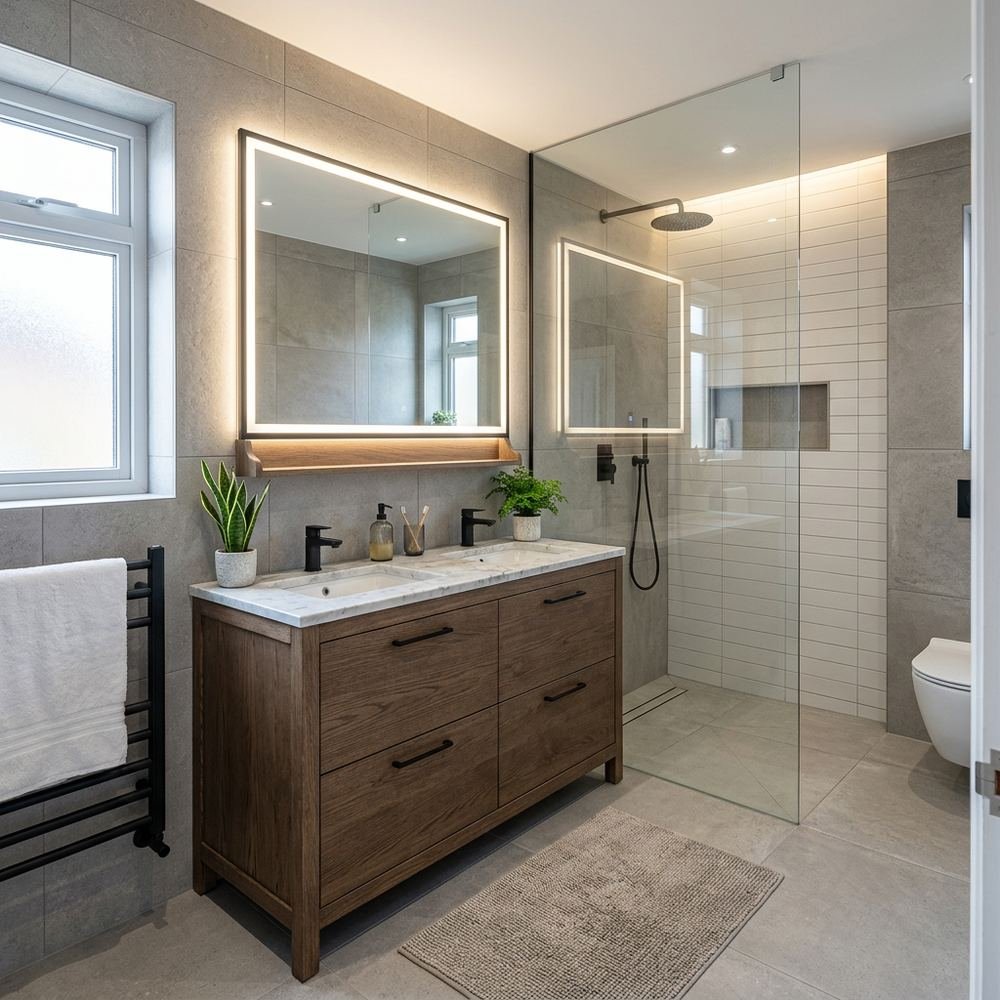
- Bathroom vanities. Sizes rarely match the space, and plumbing positions vary.
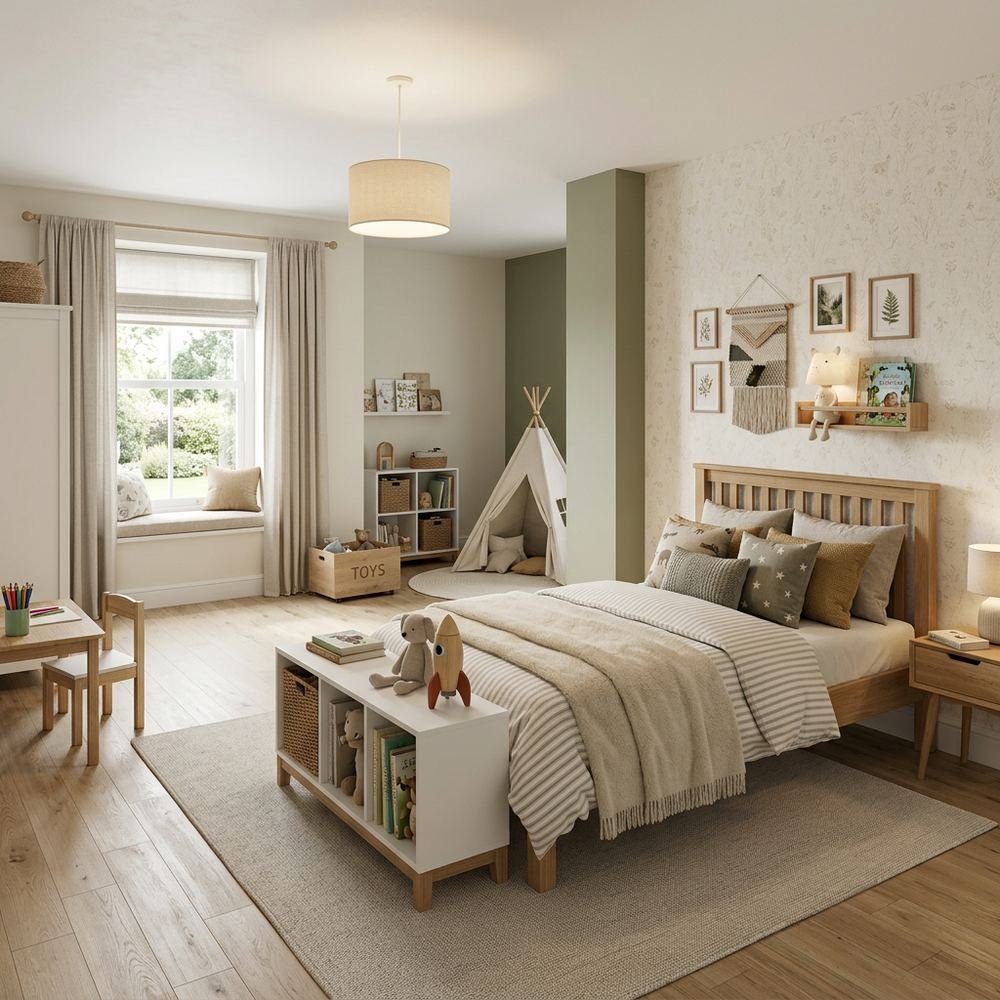
- Beds with storage. Built to your mattress, which removes the gap that catches sheets.
- Anything in an awkward space, under stairs, in an alcove, or along a wall with a projection.
Which are usually fine ready made?
Dining chairs, side tables, occasional chairs, lamps, mirrors and smaller decorative pieces are all standalone items where fit is not critical and testing them in person is useful.
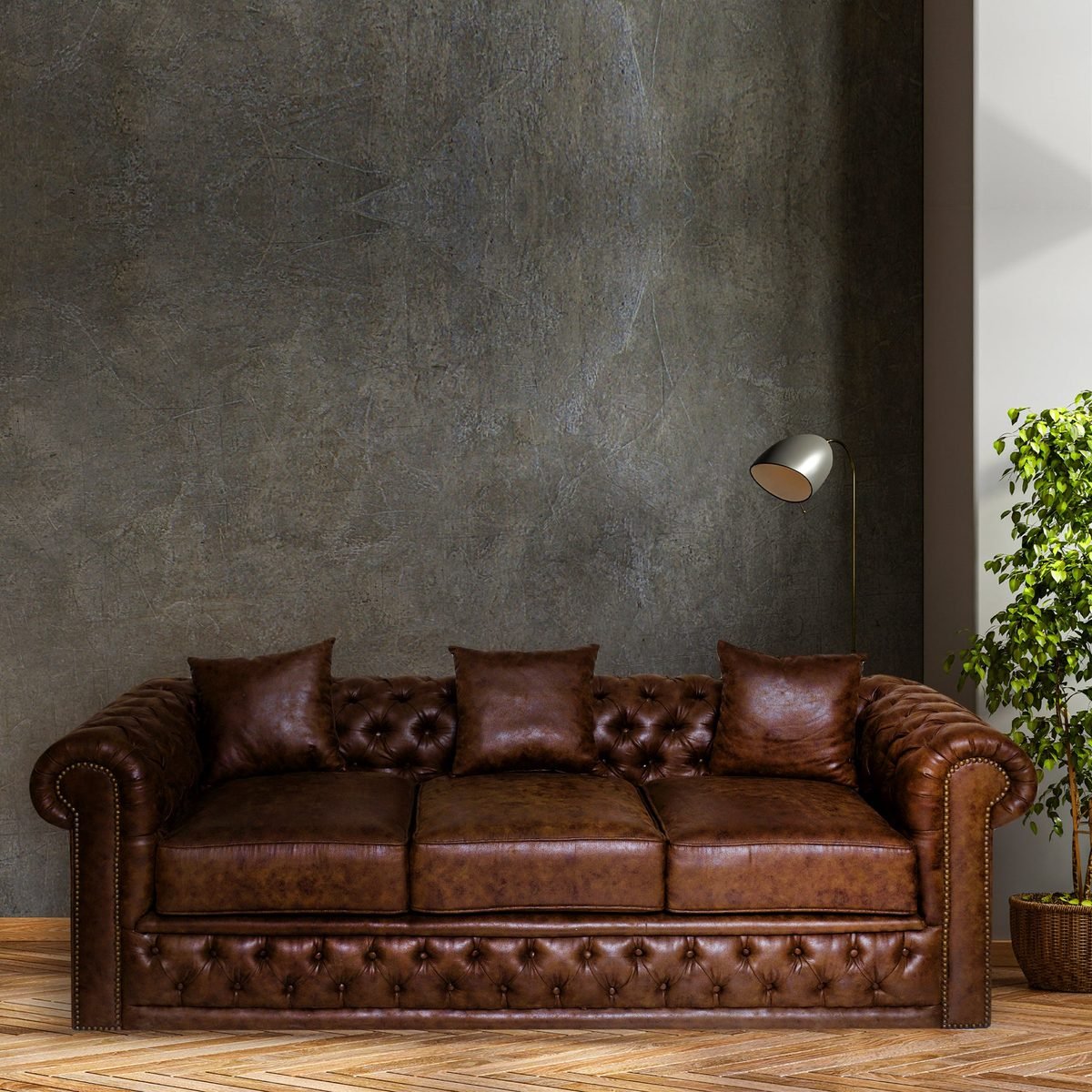
Sofas sit in between. Ready made lets you sit on it first, which matters. Made to order lets you set the seat depth to the people using it and the size to the room, which also matters. If your room is a standard shape and a ready made sofa genuinely fits and feels right, buy it. If the room is awkward, or the household spans a wide range of heights, having it made is worth the wait.
How do the costs compare?
At the entry level, ready made is cheaper for simple pieces. At the mid and upper level the gap narrows considerably and can reverse, because you are then comparing a mid range standard product with a piece built to your specification.
Two adjustments make the comparison fairer.
First, count what the ready made piece leaves unsolved. If a standard wardrobe fits the wall but leaves a gap at one side and a void above, you have paid for storage you did not get and gained a dust trap.
Second, compare like specification. A ready made unit at an attractive price is often built from a board grade and hardware you would not choose if you were specifying it yourself.
What about lead time?
Made to order takes longer, and that is a real cost when you are moving into a house. It is worth planning around rather than treating as a reason to abandon the idea.
The practical approach is to start the fitted items early, since the kitchen and wardrobes have the longest path and other trades depend on them, and buy loose furniture later. Loose items can be added after you move in. A kitchen cannot.
If you are working to a fixed date, say so at the start rather than midway, so the sequence can be planned around it.
What about repairs and changes later?
A made to order piece from a company that still operates can be repaired, matched or extended, because the specification is on record and the maker has the same materials.
A ready made piece can usually be replaced but rarely matched, because product ranges change every few years. If you buy three units now and want a fourth in two years, expect the fourth not to match.
This matters most for anything you may extend, which in practice means storage.
A simple rule
If it touches a wall or has to fit a space, have it made. If it stands alone in the middle of a room, buying it is usually fine. That single test resolves most decisions correctly.
Having it built
Grains makes furniture and fitted joinery to order at its own facility on Raiwind Road, from beds and seating to kitchens, wardrobes and doors, all in one specification and installed by our own teams. We measure the room, show you the piece in 3D and give a written estimate at no charge. Message WhatsApp +92 320 4443864, or see the full range on our services page.
Questions, answered.
A simple rule resolves most cases: if it touches a wall or has to fit a space, have it made. If it stands alone in the middle of a room, buying it is usually fine. Kitchens, wardrobes, media walls, vanities and storage beds are worth making. Dining chairs, side tables and lamps are worth buying.
At entry level, ready made is cheaper for simple standard pieces. Higher up the range the gap narrows and can reverse. Two adjustments make the comparison fair: count the storage a standard unit fails to deliver when it leaves gaps, and compare like specification, since an attractive price often means a board grade you would not choose.
Kitchens and wardrobes almost always, because they must fit exactly and the internal layout should match what you own. Also media walls, since cable routing inside the unit is only possible when it is made, bathroom vanities, storage beds built to your mattress, and anything in an awkward alcove or under stairs.
It sits in between. Ready made lets you sit on it first, which genuinely matters for comfort. Made to order lets you set seat depth to the people using it and size it to the room. If your room is a standard shape and a ready made sofa fits and feels right, buy it.
Start the fitted items early, since kitchens and wardrobes have the longest path and other trades depend on them, and buy loose furniture later. Loose items can be added after you move in, but a kitchen cannot. If you are working to a fixed date, say so at the start so the sequence can be planned.
Usually yes, if the maker still operates, because the specification is on record and the same materials are available. Ready made pieces can be replaced but rarely matched, since product ranges change every few years. This matters most for storage, which is what people most often want to extend.

Planning this for your own home?
We measure your space in Lahore free of charge, show you a 3D design before anything is cut, then manufacture and install it with our own teams.